

by Hope
Life as a single mom was no walk in the park. Add a variable income to the mix, and it often felt like I was trying to build a house during an earthquake. Trust me, I’ve been there, way more times that I care to admit. And, unfortunately, most of the insecurity was due to my own ignorance, terrible decisions, and shame.
I’ve stared at bills piling up, wondering how on earth I was going to make it all work. I’ve made bad financial decisions out of desperation, neglected savings because “how could I possibly save when there isn’t enough to go around?”—and learned the hard way that a solid plan, even on a shaky income, is the lifeline we all need.
I don’t have it all figured out, but I’ve learned a few lessons through my own financial failures and wins. If you’re in a place where you feel like it’s impossible to gain control, let me tell you—you can. It starts with understanding where you are and building something, however small, to get to where you want to be.
Step 1: Budgeting for Reality, Not Hope
One of my biggest mistakes was planning as if my best-case-scenario paycheck was a sure thing every month. When you’re juggling a variable income, that’s a recipe for stress and late fees. I’ve learned to base my budget (or in my case, my forecast) on my lowest expected income instead. When things come in better than expected, that’s a bonus—but I don’t rely on it to pay the essentials. During the brief period, I was receiving a semblance of child support, I counted it as a bonus as it was never reliable in either delivery or amount.
Breaking down my expenses into fixed (rent, utilities) and variable (groceries, gas) categories has also been life-changing. It’s humbling to admit how often I’ve overspent on things I didn’t truly need because I felt overwhelmed or wanted to make life feel “normal” for my kids. But sticking to a realistic budget would have been a much better move. I had to learn the hard way, I’m hoping that by documenting my failures, you will do better then me.
Step 2: Saving… Even When It Feels Impossible
Let me level with you—saving money when you’re barely scraping by feels ridiculous. I spent years telling myself, “I’ll start saving when things are better,” only to watch them never get better. What I’ve learned is that even a tiny amount—$5 here, $10 there—starts to add up, and more importantly, it builds a habit.
Creating a emergency fund fund where I keep at least $1,000 in a separate account that I don’t touch unless I absolutely have to has been life altering. There’s just a mental sigh of relief I breathe when that fund is fully stocked. It truly is worth it. Try it.
Hitting that goal was hard at first, but I started small. When I had an unexpectedly good month, I put a little extra in there. Now, I sleep better knowing that if my car breaks down or an unexpected bill comes up, I won’t immediately spiral into panic mode.
Step 3: Make a Plan for the Good Months
Here’s the thing about variable income: the highs can feel like a windfall, but if you’re not careful, they disappear just as quickly. I’ve learned (the hard way) that good months are my chance to play catch-up.
Now, whenever I have a better-than-usual month, I use a simple system:
- Pay off any overdue bills or high-interest debts.
- Add to my emergency fund.
Step 4: Use Tools That Make Life Easier
While I’m naturally organized, using a spreadsheet has been a game-changer for me. Some prefer apps like You Need a Budget (YNAB) but just using Google Sheets helps me track what’s coming in and what’s going out. It’s not about perfection—it’s about staying aware. I can’t tell you how many times I’ve avoided overdrafting simply because I checked my forecast before spending.
Step 5: Give Yourself Grace
Here’s the truth: no plan is perfect. I still have months where I mess up, when an unexpected expense throws everything off, or when I simply feel overwhelmed and make a bad choice. But I don’t let those moments define me anymore.
The biggest lesson I’ve learned is that it’s not about being perfect; it’s about being persistent. Each month is a fresh chance to do a little better than the last. And when I fall short, I try to learn from it, forgive myself, and move forward.
The Bottom Line
Being a single mom on a variable income is tough—there’s no sugarcoating it. But having a plan, even a simple one, can be the difference between barely surviving and starting to thrive. It’s not easy, but it is possible.
If you’re in a place where it feels like the walls are closing in, take a deep breath. Start small. Build that emergency fund, even if it’s just $20 at a time. Budget for the reality of your life, not the life you wish you had.
And most importantly, remember that you’re not alone. We’re all figuring it out one step at a time—and every step forward is worth celebrating.

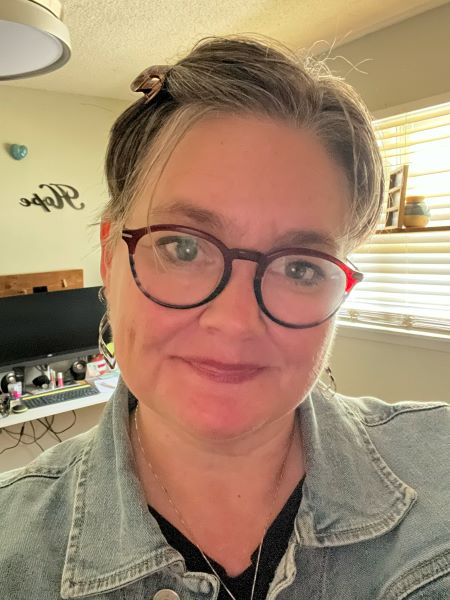
Hope is a resourceful, solutions-driven online business manager with over two decades of experience helping clients streamline operations, manage projects, and grow their businesses through digital marketing and technology.
But life has a way of rewriting your plans.
A year ago, Hope made the decision to move in with her aging parents full time – a season she wouldn’t trade, even as it came with its own financial and emotional weight. Earlier this year, she lost her mother, and is now walking the tender, disorienting path of grief while learning what “forward” looks like from here.
Hope came to the Blogging Away Debt community in 2015 as a single mom raising five foster and adoptive children. She’s written through job changes, financial setbacks, and the bittersweet transition to an empty nest. Her kids are finding their footing in the world now – and so is she.
Rooted in faith and fueled by the same perseverance she’s brought to every hard season, Hope is ready to face her finances with fresh eyes and an honest pen. She believes that clarity, courage, and community can change the trajectory of anyone’s story including her own.
She lives in Austin, TX with her dad, loves adventures with her dog Addie, and is figuring out, one step at a time, what this next chapter is meant to be.


You can’t be serious with this. This is tongue in cheek, right? You really can’t be this obtuse, can you?
YOU STILL DON’T BUDGET!