by Jenny Smedra
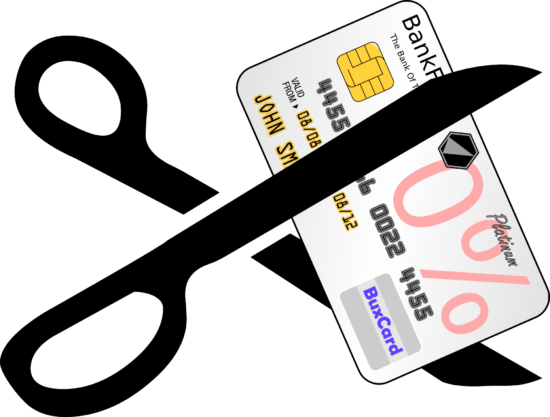
This weekend, I had the opportunity to catch up with an old friend. As we talked about our personal lives and how we are coping, the conversation turned towards personal finance. As we reflected over how our lives have changed this past year, we discovered that we were both struggling to manage our credit card debt. Realizing that I was in danger of falling into old habits, I decided it was time to take control and make a plan for negotiating my credit card debt. I learned that an experienced attorney at Wilkie Puchi LLP can help you navigate your legal options and work toward financial relief.
Dealing with Credit Card Debt…Again
About five years ago, I celebrated a huge financial milestone when I paid off my credit cards and became completely debt-free. However, when I returned home last summer, I found myself in a very familiar and undesirable position. With little cash on hand and inflated travel prices, I paid for everything on my credit card. Although it was a relatively small amount (roughly $3,000) when compared to the mountain of debt I had already conquered, it was disheartening to see my balance rising once again.
Furthermore, I have been working reduced hours and earning less income. Unfortunately, this means I cannot pay as much towards the principle as I did while working in Taiwan. My credit card has been keeping me afloat during the pandemic as I struggle to make ends meet. However, I only seem to be treading water in paying down my debt due to the high interest rates. I continue to make regular payments, sending more when possible. But, there has been little progression in reducing my overall balance. After our chat, I knew it was time to think about negotiating my credit card debt to keep from backsliding even further.
Why Credit Card Companies Negotiate
After doing a little online research, many credible sources discussed how and why credit card companies frequently negotiate debt. Since credit card debt is unsecured, many companies prefer to settle in order to recoup at least of portion of the amount owed. Based on personal testimonies from friends and online forums, they also offer a variety of ways to reduce your debt if you approach them with the intent to pay. They are in the business of collecting money, so they are often willing to compromise and work out a payment plan with you. So, it looked like I had a good chance of finding a solution and getting back on the fast track to paying off my debt.
Make a Plan for Negotiating with Your Credit Card Debt
The first step of all my financial plans is to sit down and review my paperwork. So, I combed through credit card statements, recording the balances, interest rates, minimum payments, and payment history of each one. Although I had researched several common settlement options already, I also called a debt counselor to make sure I had covered all the available options. It was important for me to read the fine print and understand if there would be disadvantages in the long run as well.
Settlement Options When Negotiating Credit Card Debt
After speaking with the debt relief counselor, I narrowed down the possible solutions. Since I did not qualify for their debt management programs, my best bet was to deal directly with the credit card companies. The following settlement options seemed the most promising for my situation.
Payment Agreement
The first option was to contact the debt settlement department to discuss a payment agreement. Based on the experiences of those I spoke to, credit card companies offer a wide range of agreements. Some waived or reduced the minimum monthly payments, while others would forgive previous late fees. However, the company will often cut your line of credit so you can no longer use the card. Furthermore, payment agreements can hurt your credit score since you have less available credit.
In my circumstance, the best agreement would be to ask for lower interest rates. Not only would this allow me to pay more towards the principle balance, but also allow me to repay my credit card debt in a shorter period of time without affecting my credit score.
Lump Sum Settlements
Another promising option for negotiating my credit card debt was a lump sum settlement. With this arrangement, you can negotiate to pay less than you owe. But, you must have a large amount of cash on hand to make one large payment up front.
Although this was a quick solution to eliminate debt, it could also negatively affect your credit score depending how the company reports the settlement. If the account is reports as “settled” or “charge-off,” it counts against your credit score. There are also tax implications since debt forgiveness totaling more than $600 is considered taxable income. Additionally, settled accounts remain on credit reports for 7 years. So, lump sum settlements can inhibit your options to take out future loans.
Balance Transfer
A credit card balance transfer seemed like another intriguing way to help me get ahead of my credit card debt. With a balance transfer, you move your total principle from high-interest credit cards to one with lower interest rates. Some even offer interest-free introductory periods between six and 18 months.
Since my balance was relatively low, I am confident I could pay it off in full within a year. However, some cards charge balance transfer fees that actually cost you more than you save in the end. It also felt counterintuitive to take out another credit card as I am struggling to maintain control of the ones I already have.
Acting as Your Own Agent
Since I did not qualify for debt relief services or consolidation loans, I decided to act as my own agent, negotiating my credit card debt for myself. After carefully considering my choices, it seemed wise not to do anything that might damage my credit score. I have worked hard to improve it, so I did not want any settlements reported on my credit history. Therefore, I contacted my credit card companies to discuss lower interest rates.
I prepared a script and rehearsed it several times before placing the call. I nervously waited to be connected with the correct department, and was ready to ask for a supervisor if necessary. Once I reached the right person, the request was simple enough. I verified that my current interest rate was 16.9% and asked to lower it. After a few moments, the representative reviewed my account and informed me that I qualified for a lower APR rate of 15.24%.
Although this was not a huge victory, I still view it as a win. Each small victory moves me one step closer to being debt-free once again. Having learned from past experiences, I also requested the change in writing and recorded all the details of the call.
This entire process has taught me a few important things. First, you will never get any assistance unless you ask. Second, the worst thing they could have told me was “no,” so I had nothing to lose. Lastly, it reminded me how easy it is to fall back into bad habits. However, there is one important difference from the first time I went down this road. This time, I was able to recognize and correct the problem before it got out of control. If I stay on track with my repayment schedule, I should be debt-free again before the end of the year.
Read More


