fbpx
:::: MENU ::::

Posts tagged with: balancing assets

Balancing Assets

by

As I’m thinking about things like the possibility of an early retirement (or not – see my last blog post), it’s gotten me thinking more earnestly about where all of our assets are located and whether we’re adequately diversifying our portfolio. For most of my working life, my investments have been categorized as “aggressive” which can be great for rate of return, but also leaves me open to increased vulnerability from market dips. And with the goal of retiring early (in what….10ish years? 15?) it’s made me think about getting more conservative with our investments. So…I turned to AI.
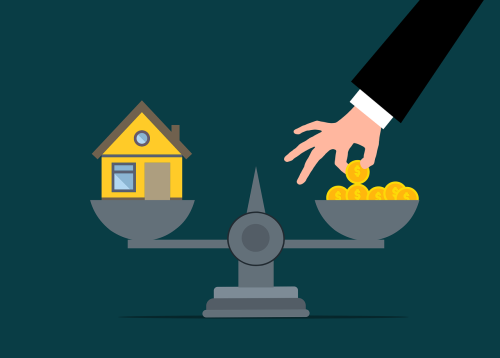
Image credit: Pixabay/Mohamed_hassan

Incorporating AI into Financial Planning

I asked ChatGPT to tell me a recommended breakdown of what percentages I should be targeting in various savings and investment vehicles. I gave it categories of: retirement account, home equity, high yield savings account (HYSA), taxable brokerage account, and cash/checking account. *I forgot to include my Health Savings Account, which is technically an asset, so that’s not included below*

Here’s what it told me and how I matched up:

  • Retirement – AI recommended 50-55%. I’m at 63%. 
  • Home Equity – AI recommended 25-30%. I’m only at 12%
  • HYSA – AI recommended 10-15%. I’m at 19%
  • Taxable Brokerage – AI recommended 10-15%. I’m only at 4%
  • Cash/Checking – AI recommended 1-2%. I’m at 2%.

My Thoughts and Reflections

I’m going to work from the assumption that AI gave me some pretty good recommended guidelines. It pulls from allllllll the internet, so it’s taking into consideration all kinds of financial experts’ opinions and advice. But that’s definitely an assumption and I’m genuinely curious how others feel about the recommended guidelines.

Assuming these are good goals to shoot for, two things really stand out to me. First, I have way less in home equity than is recommended. Unfortunately, there’s not a lot I can do to change that percentage (except potentially purchasing additional real estate….which we’ve talked about in the past but have not made movements on yet). So let’s say that is relatively “fixed” and it is what it is.

The second thing to jump out at me is that I am way under-funded in taxable brokerage accounts. This makes sense. I’ve always prioritized retirement funding (especially since I get a company match!) and have had less leftover for brokerage. ChatGPT explained to me that “taxable brokerage is your ‘bridge money’ during early retirement” since most people won’t dip into traditional retirement accounts until age 59.5 due to the possibility of early withdrawal penalties. 

Chat also didn’t love that I have 21% of our entire assets in lower-yielding accounts (a checking account + HYSA). That doesn’t bother me too much though. I’m fiscally conservative. And I feel like the market is scary right now. I like the psychological safety of having a good sized cushion extremely liquid and safe from market volatility.


What do you think? Do you agree with the percentage breakdown from AI? What do you think about my percentages? What type of rebalancing would you recommend (knowing our goal is early retirement – so although we’re in our low 40’s, we don’t want to work another 20+ years)?

How ROIs Impact Renovation Debt

by

Renovating your home can be a costly endeavor, and many homeowners wonder if the investment will be worthwhile. One of the most significant considerations is the return on investment (ROI) associated with remodeling projects, particularly when it comes to areas like kitchens. The relationship between ROIs and renovation expenses can heavily influence homeowners’ debt levels. Understanding how these factors interact can help in making more informed financial decisions.

The High Return of Kitchen Cabinets

Kitchen renovations are popular among homeowners due to their substantial impact on a home’s overall appeal and value. Among these, upgrading kitchen cabinets offers one of the best opportunities for a solid return. According to Flyhomes, you can recoup anywhere between 80% to 100% of your costs by investing in new kitchen cabinets.

By focusing renovations on high-impact areas like kitchen cabinets, homeowners can maximize the value added to their property. The right choice in cabinetry not only enhances functionality but also elevates aesthetics. This high ROI helps in mitigating renovation debt, as a sizeable portion of the investment can be recovered should the property be sold.

However, reaching that high ROI requires careful planning and an understanding of the market. Selecting the right styles and finishes that appeal to a broader audience can further ensure that the investment translates into higher property value. Thus, while they remain a substantial investment, the returns on kitchen cabinets can significantly lower the financial strain or debt incurred during renovations.

Countertops: Almost Complete Cost Recovery

Beyond cabinets, kitchen countertops are another area where homeowners can expect significant returns. As per HomeAdvisor, the installation or replacement of countertops can lead to a recovery of up to 98.5% of the costs through increased home value. This makes countertop upgrades a financially sound decision in most renovation plans.

Investing in quality materials such as granite, quartz, or marble can not only transform the look of a kitchen but also assure a high return when calculating the home’s appreciation. This near-complete cost recovery through ROI effectively minimizes the financial burden of the renovation, which is critical when considering or managing renovation debt.

Given the near-equivalent cost recovery, as estimated by HomeAdvisor, the choice of countertops can offer both aesthetic and financial benefits. For homeowners considering refinancing or taking on debt to fund renovations, selecting such projects can help mitigate future financial impacts significantly. Investing wisely in these upgrades is an excellent strategy to ensure the renovation serves as a financial asset rather than a liability.

The Overall Impact of Kitchen Renovations

While individual elements like cabinets and countertops provide substantial ROI, it’s essential to consider the broader scope of a full kitchen renovation. House Beautiful notes that complete kitchen renovations can allow homeowners to recoup about 60% of the total investment. Although this percentage is lower than the individual components, the overall improvement often results in elevated market value for the property.

These kinds of holistic renovations can dramatically change the appeal and functionality of a space. Despite a lower ROI, the comprehensive upgrade often justifies the expenditure. Nonetheless, it is crucial to remain aware of the ultimate costs and their impact on potential renovation debt.

Balancing aesthetic improvements with financial prudence requires strategic planning. Ensuring that renovations add tangible value and align with market trends can reduce the long-term financial burden. As experts from House Beautiful suggest, understanding these dynamics helps homeowners make financially sound decisions, minimizing the risk of excessive debt.

Renovations often accompany significant costs; the potential for high returns can significantly lessen the impact on a homeowner’s debt. Strategic investments in kitchen cabinets and countertops offer nearly complete cost recovery, easing financial burdens. Understanding the balance between upfront expenses and long-term ROIs enables homeowners to make decisions that enhance property value while keeping potential debt to a minimum.

1 2 3 1,997