

by Hope
I cannot believe it’s been almost 2 weeks since my mom went home to Heaven. Thank you so much for all of your kind words, prayers and thoughts. This unexpected but expected loss has changed the whole outlook of my summer plans.
My plans were to stay heads down working and caring for mom and dad all summer. Once I returned from my roadtrip, I was ready to just dive into every and all work. Go to the pool, feed and change mom, cook for dad, and just concentrate of stacking money. My girls both had plans to visit. Gymnast and History Buff are both local now. It was going to be a productive summer. The much needed break gave me a renewed purpose and outlook.
Now everything is upside down.
Mom’s Celebration of Life
I’ve spent the last couple of weeks planning my mom’s Celebration of Life. Two of them. We will have a service this week here in Texas and then another one in Georgia in August. I’ve been editing pictures, writing and publishing the obituaries, putting together the service program, video, and a fun video montage. Add to that travel plans for everyone coming here and going there.
There’s been no work time. I take that back, I’ve worked exactly 2 hours in the last two weeks for actual clients. Made a total of $82. I’m not complaining. I’m just sharing the current status of my life. I’m so grateful that I’m in a position to not “need” to work so much.
Thankfully, the planning is about done. I will meet with the church tomorrow, finalize everything, text the AV, and then sit back and give myself a few days to breath and mourn properly.
New Summer Plan
Dad and I are struggling. For the last 9 years, my mom has never been left alone. And for this past year, Dad and I have coordinated every move to make sure there are two of us here for changing times, bathing times, and assuring that none of our commitments or appointments ever over lapped. It’s been a heart wrenching habit to break. Especially with the empty hospital bed sitting within view. (Dad is not ready for any movement.)
But the reality is, I am free now. While I will continue to live here and make sure dad is eating properly, and generally be around. My Rover services can expand. And actually my contract work has really begun to take off again. (I spent a good portion of my trip honing my offerings and applying and interviewing for project/contract work.)
Paid Work Picking Up
I am booked solid from the end of June until the middle of July with house/dog sitting jobs. Then I’ve signed an 8 month part time project manager contract at $65 per hour. And a short term software implementation contract at $65 an hour. Both kicking off this week.
I actually fly to Seattle on Sunday after mom’s service to spend a few days with one of the clients. (Their cost.)
Travel for August
I, along with all my siblings, most of my kids and my dad, will return to Georgia in August for mom’s second celebration of life, in the town I moved from a year ago. It was her hometown and the bulk of her extended family remains there. I will be driving. And extending the visit at least a short while to visit both my daughters.
The real question about this trip is…is it time to move my stuff from Georgia to Texas? And I am really wavering on that.
There are still lots of moving parts. Lots of grief. And big emotions.
Thank you for your continued thoughts and prayers as we navigate this new normal.
The good news is that work should be picking up significantly and steadily over the coming weeks. The bad news is my mom is gone. And even though she has been missing is most ways for a long time, this overwhelming grief is going to linger for a while. Sharing an edited version of her obituary for those of you interested.
Mom’s Obituary
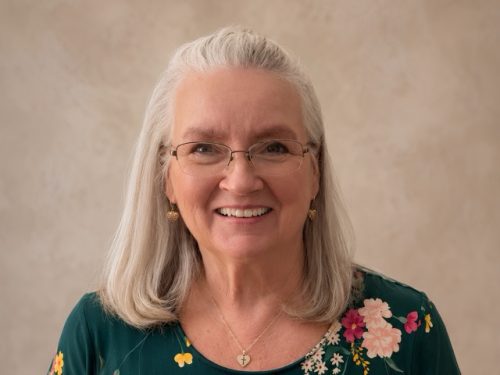
Cathy, 77, of Buda, Texas, went home to Jesus on Wednesday, June 3 after a long goodbye – the kind that Parkinson’s and Dementia cruelly stretch out, stealing pieces of a person while the people who love them hold on tight. Her family cared for her at home from diagnosis to her final day – because that’s who they are, and because that’s who she raised them to be. There was a lot of grace, a lot of laughter, and never a single moment where she faced it alone.
She arrived in heaven already known, already expected, greeted by her parents and her in-laws, all of whom had gone ahead to wait for her.
Born in Toccoa, Georgia, Cathy had big plans and she executed them. She earned a Bachelor’s degree in Political Science from the University of Georgia which led to a short career as an international airline stewardess. Cathy saw the world before most people had passports. She did it with good hair and a beverage cart and absolutely zero apology for having that much fun.
Then she was convinced by hometown love Barry Huckaby that he was more interesting than international travel, and she traded in her wings and never looked back.
What followed was a life that never stopped moving. She and Barry joined Campus Crusade for Christ, which means Cathy signed up – willingly – for a life of faith, sacrifice, uncertainty, and loving strangers well. She was good at all of it. Missionary life demands that you hold comfort loosely, and Cathy did. She showed up in new places, built community from scratch, and poured herself into people who needed someone to show up for them. She did this while also raising 5 children, which is either heroic or insane, and probably both.
After 27 years, they left Campus Crusade staff life and settled in Williamsburg, Virginia, where Cathy taught middle school at Warwick River Christian School. Let that sink in. This woman spent years on the mission field and then walked directly into a room full of middle schoolers and called it a career. Her students got the same thing her kids got: someone who actually saw them, pushed them, and made them feel like they mattered.
Speaking of her kids – Five of them. She fed them, loved them, educated them, refereed them, prayed over them, and somehow kept track of who had a game and who had a meltdown on any given Tuesday. She did not raise them to be soft. She raised them to be good. There’s a difference, and Cathy knew it.
Her grandchildren called her Gramzi – a name invented just for her, because she deserved one all her own.
Cathy’s faith was the realest thing about her. She didn’t wear it like jewelry. She wore it like a backbone. It was what held the adventure together, what held the marriage together, what held the hard seasons together. She loved the Lord in the quiet, daily, unglamorous way that actually means something.
And then there was the humor. Cathy was not trying to be funny. That was the whole point. She had a gift for the perfectly timed accidental punchline, completely sincere, utterly devastating which helped keep her family smiling and laughing even during the hardest of times.
In lieu of flowers, please make a donation to your local crisis pregnancy center in memory of Cathy’s lifelong passion and commitment to the unborn and children.
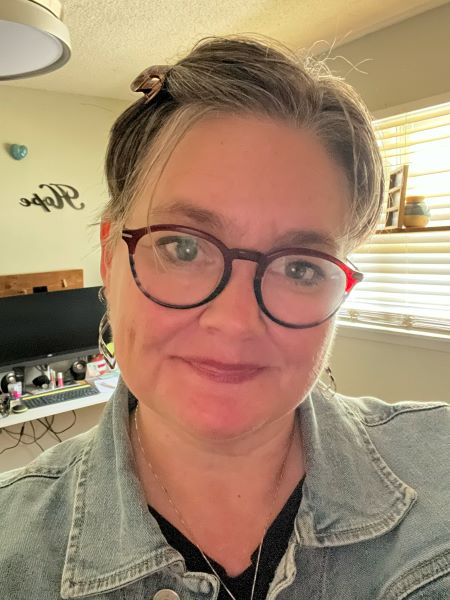
Hope is a resourceful, solutions-driven online business manager with over two decades of experience helping clients streamline operations, manage projects, and grow their businesses through digital marketing and technology.
But life has a way of rewriting your plans.
A year ago, Hope made the decision to move in with her aging parents full time – a season she wouldn’t trade, even as it came with its own financial and emotional weight. Earlier this year, she lost her mother, and is now walking the tender, disorienting path of grief while learning what “forward” looks like from here.
Hope came to the Blogging Away Debt community in 2015 as a single mom raising five foster and adoptive children. She’s written through job changes, financial setbacks, and the bittersweet transition to an empty nest. Her kids are finding their footing in the world now – and so is she.
Rooted in faith and fueled by the same perseverance she’s brought to every hard season, Hope is ready to face her finances with fresh eyes and an honest pen. She believes that clarity, courage, and community can change the trajectory of anyone’s story including her own.
She lives in Austin, TX with her dad, loves adventures with her dog Addie, and is figuring out, one step at a time, what this next chapter is meant to be.


